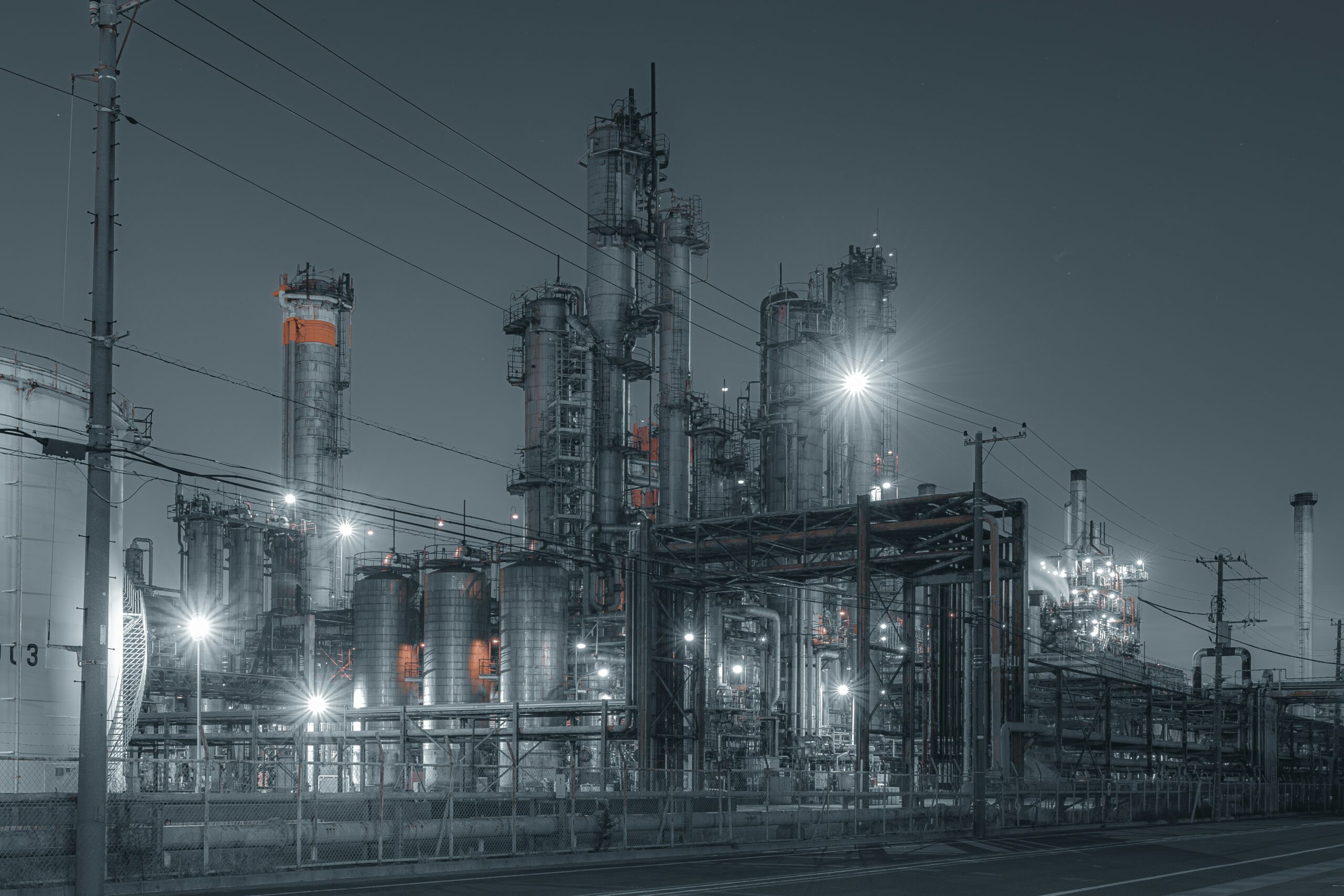
When Aliko Dangote embarked on building a 650,000-barrel-per-day refinery on the outskirts of Lagos, few believed it would ever reach full production. Years of delays, cost overruns, and doubt from global lenders painted it as a billionaire’s vanity project. Today, that narrative has collapsed.
The Dangote Petroleum Refinery is not just operational, it is fundamentally reshaping fuel trade flows across Africa, positioning Nigeria as a net exporter of refined products, and demonstrating that large-scale African industrialization is achievable.
Ending the “Oil-Rich but Fuel-Poor” Paradox
For decades, Nigeria, Africa’s largest crude oil producer imported nearly 90% of its refined fuel. This paradox drained foreign exchange reserves, exposed the economy to global price volatility, and created chronic supply instability across West Africa.
The Dangote refinery has flipped this equation. By March 2026, Nigeria emerged as a net exporter of refined petroleum products. According to the Economist Intelligence Unit, the refinery met nearly 80% of domestic petrol demand in April 2026, producing enough volumes to satisfy local consumption requirements.
Gasoline imports into Nigeria have fallen to record lows just 30,000 barrels per day in April, a clear reflection of the refinery’s successful ramp-up. Kpler (data and analytics platform) data shows refinery runs peaked at approximately 640,000 bpd (barrel per day) in April, with continued effective maximum throughput into May 2026.
Reshaping Global and Regional Trade Flows
The ripple effects extend far beyond Nigeria’s borders. In April 2026, Dangote’s refined product exports surged to 510,000 bpd, led by gasoline and jet fuel. While gasoline is predominantly consumed domestically and in West African markets, the refinery’s jet fuel has found a particularly lucrative export market.
More than 50% of Dangote’s jet output is heading to Europe, with cargoes reaching Spain, France, Italy, the UK, and Turkey. In April, the refinery became the world’s largest jet fuel exporter, capitalizing on supply disruptions linked to Middle East tensions. The first ever Dangote jet cargo arrived in Rotterdam, and predictive tracking points to further departures to the region as European jet balances tighten ahead of summer.
The impact on West Africa’s import patterns has been dramatic: imports of clean products from outside the region fell by almost 25% year-on-year in the second quarter of 2026.
A Strategic Buffer Against Geopolitical Shocks
The refinery’s timing proved fortuitous. In 2026, when conflict in the Middle East escalated and the Strait of Hormuz, a chokepoint through which approximately 20% of global oil trade passes came under threat, African countries faced severe fuel supply disruptions. Countries including Cameroon, Togo, Ghana, and even Tanzania turned to Nigeria as Middle Eastern supplies diminished.
For Africa, which imports over $35 billion in fuel annually and relies heavily on Middle Eastern shipping routes, the Dangote refinery has become a continental shock absorber softening inflationary impacts and ensuring continuity for aviation and logistics networks.
The Economic Impact on Nigeria
S&P Global Ratings cited increased domestic refining capacity among the major factors supporting Nigeria’s sovereign credit rating upgrade in May 2026 the country’s first upgrade in 14 years. The agency specifically noted that the refinery’s full capacity operations are strengthening Nigeria’s current account surplus, reducing dependence on imported products, and improving foreign exchange liquidity.
East Africa: The Next Frontier
Perhaps the most ambitious chapter of the Dangote story is yet to be written. In July 2026, Dangote Industries announced plans to build a 700,000-barrel-per-day refinery in Kenya, with potential locations including Mombasa and Lamu.
The $15-17 billion project, with seed capital of Ksh 21.5 billion committed by the Kenyan government, would serve Kenya, Tanzania, Uganda, South Sudan, Ethiopia, and the DRC.
A New Era for African Industrialization
The Dangote refinery represents something larger than a single industrial project. It demonstrates that African capital can finance African industrialization at scale. Afreximbank’s decision to underwrite $2.5 billion of the $4 billion syndicated loan proved pivotal, providing the financing that conventional lenders were unwilling to offer.
The refinery consumes roughly 2.5% of globally traded crude oil and matches about 10% of total U.S. refining capacity. It has transformed Nigeria from a chronic fuel importer to a supplier to markets as far afield as the Middle East.
As Dangote himself noted: “There is no way to create jobs and prosperity without industrialization. The greatest attraction for foreign investors is the success of domestic investors. When local investors thrive, they send a powerful signal that the environment is conducive for investment”.
The transition from import dependence to regional self-sufficiency is still incomplete. Africa’s energy landscape is evolving, and the Dangote refinery is the catalyst that has made that transformation possible. What began as a single facility in Lagos is now the anchor for a continent-wide vision of energy sovereignty.